

Introduction
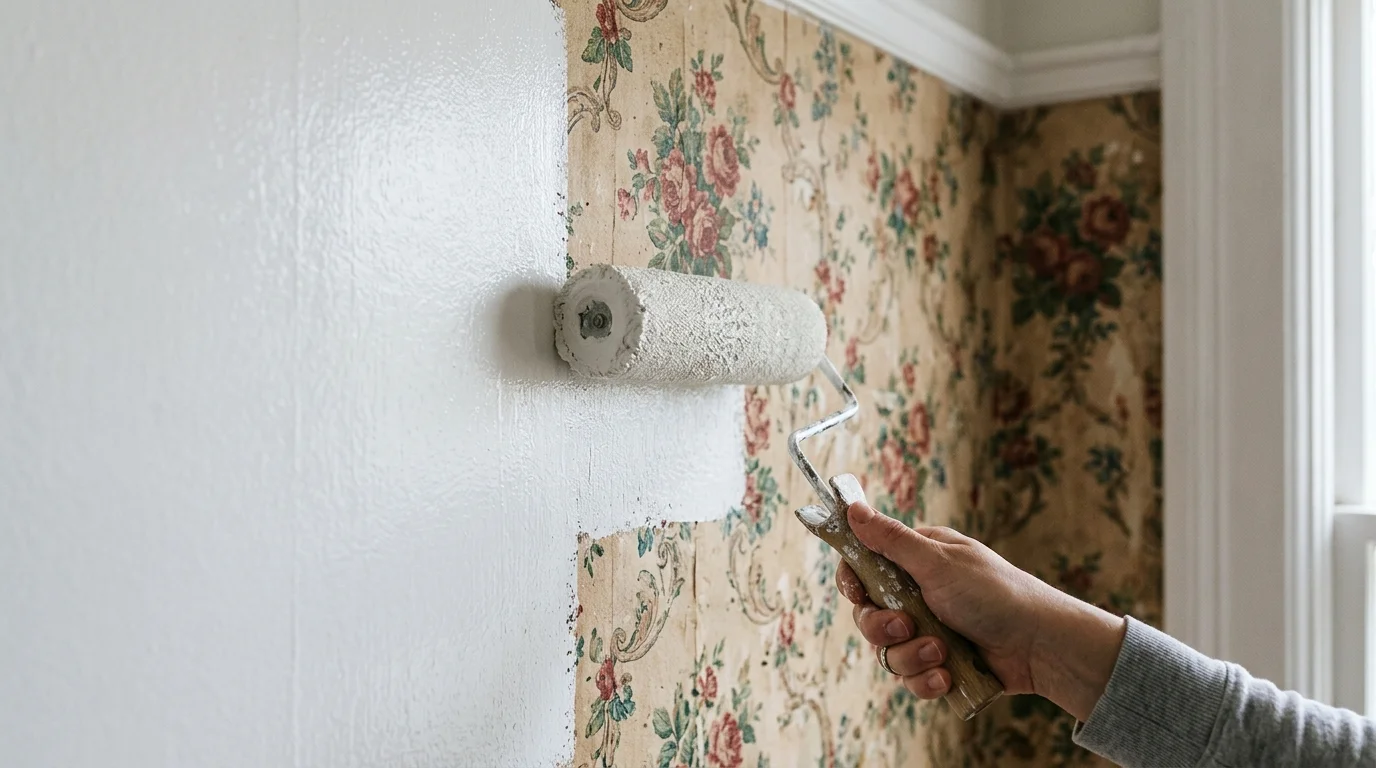
Painting over wallpaper can feel like a quick solution when you want to refresh a room without the mess of stripping old paper. The good news is that it can work well if the surface is in good condition and prepared correctly. Many homeowners choose this method to save time and effort while still achieving a clean look.
This guide explains everything you need to know, from deciding whether it is the right choice to learning how to paint over wallpaper step by step. By the end, you will understand the risks, the preparation process, and the best techniques to get a professional result.
Can You Paint Over Wallpaper?
Yes, you can paint over wallpaper, but only if the wallpaper is firmly attached and free from major damage. Smooth and well-bonded wallpaper provides a better base, while peeling or textured surfaces can cause problems later. If you skip preparation, issues like bubbling, peeling, or visible seams may appear. That is why proper priming and surface preparation are essential before applying paint.
Painting Over Wallpaper vs Removing It
When painting is a better option
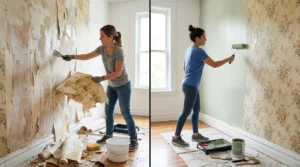
Painting is ideal when wallpaper is difficult to remove or when you need a quick update. It works well in rental homes or when you want to avoid damaging the wall underneath.
When removal is the smarter choice
If the wallpaper is damaged, peeling, or heavily textured, removal is usually the better long-term solution. Painting over poor surfaces often leads to uneven finishes.
Cost and time comparison
Painting is generally faster and requires fewer tools, making it more budget-friendly in the short term. Removing wallpaper takes more effort and time, but it can provide a cleaner base and better durability.
Types of Wallpaper You Can and Cannot Paint Over
Paintable wallpaper
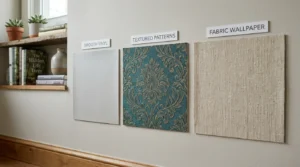
Vinyl and non-woven wallpaper can be painted if they are in good condition. These surfaces hold primer well and allow for a smoother finish.
Problematic wallpaper
Textured, fabric, or heavily patterned wallpaper can show through paint. These types often lead to uneven results.
Previously painted wallpaper
Already-painted wallpaper can be repainted, but it may require extra priming and sanding to ensure proper adhesion.
When Not to Paint Over Wallpaper
Avoid painting if you notice peeling edges, trapped moisture, or weak adhesive. These issues will only worsen after painting and may cause the paint to fail. Walls with visible damage or mold should always be repaired before any painting begins.
Tools and Materials You Will Need
To achieve the best outcome, gather the right tools before starting:
- High-quality primer for wallpaper
- Paint suitable for interior walls
- Paint roller and brushes
- Sandpaper for light smoothing
- Cleaning supplies for surface preparation
Using the correct primer is especially important because it helps the paint stick properly and prevents peeling.
Step by Step: How to Paint Over Wallpaper Properly
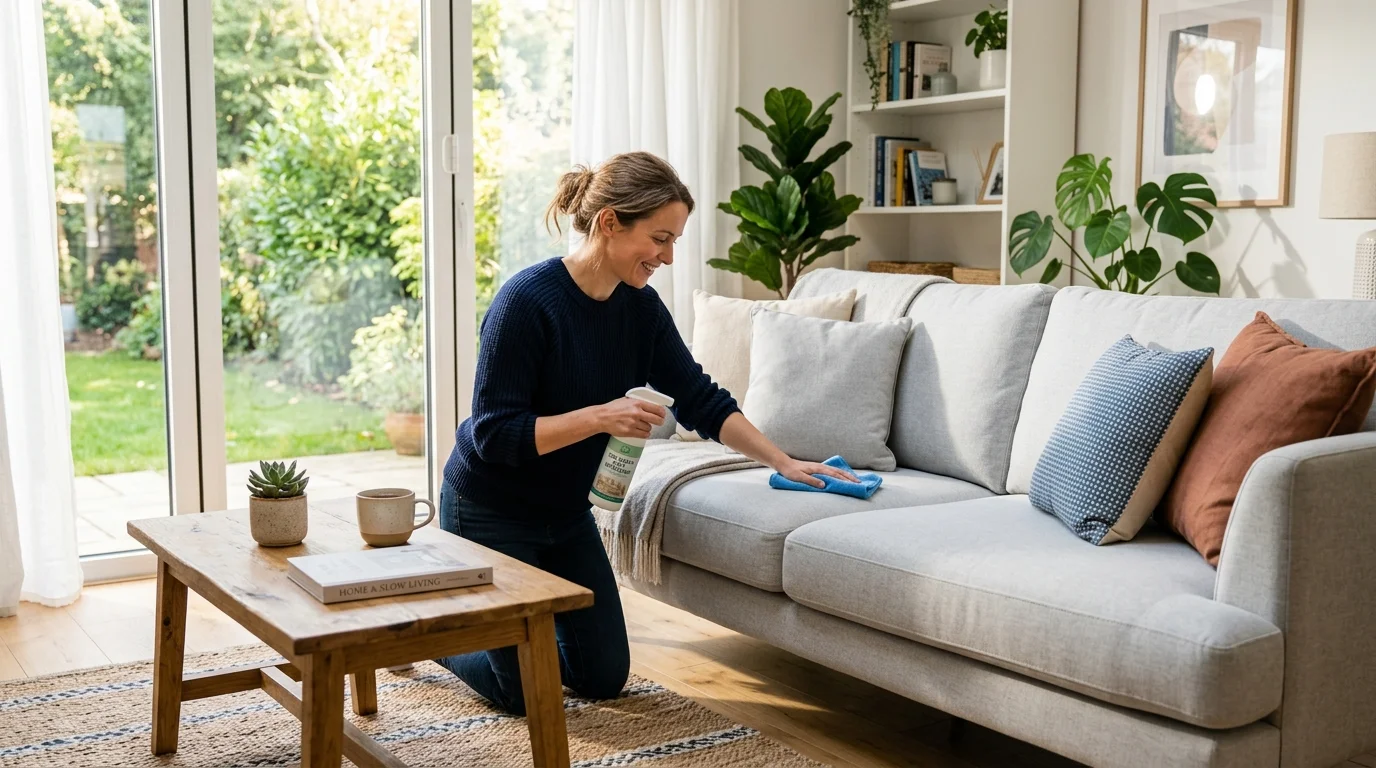
Step 1: Clean the surface
Remove dust, grease, and dirt. A clean surface improves paint adhesion.
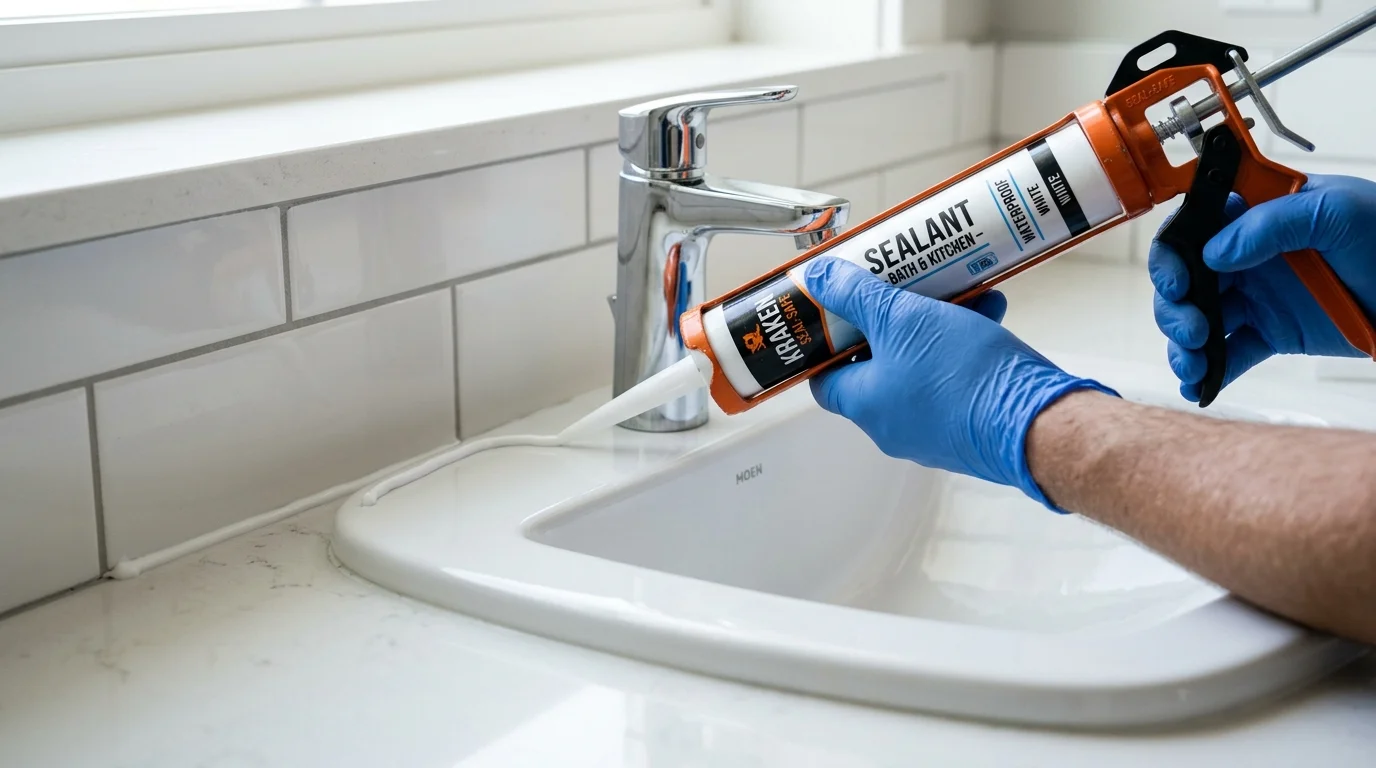
Step 2: Repair seams and damage
Seal loose edges and fill gaps. This prevents seams from showing through the paint.
Step 3: Apply primer
Priming is the most important step. It seals the wallpaper and creates a stable base for paint.
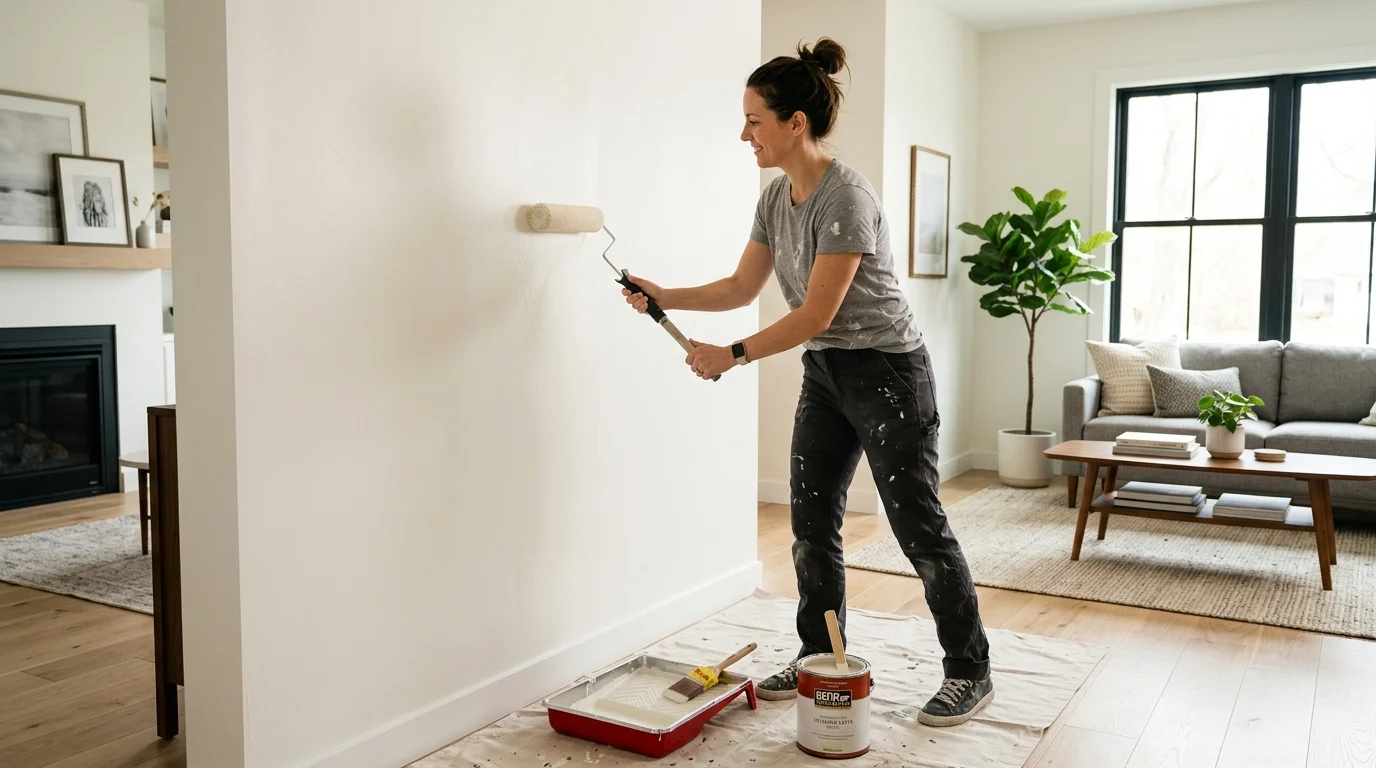
Step 4: Apply the first coat
Use a roller for even coverage. Allow it to dry completely.
Step 5: Apply the second coat
A second coat ensures better color and a smoother finish.
Best Primer and Paint for Wallpaper
Choosing the right primer makes a significant difference. Oil-based primers are often recommended because they block stains and improve adhesion. Water-based primers can also work if the wallpaper is in excellent condition. For paint, matte and satin finishes are popular because they help hide imperfections. Gloss finishes may highlight flaws such as seams or textures.
Common Problems and How to Fix Them
Seams showing through paint
Apply additional primer and smooth the surface before repainting.
Paint peeling or bubbling
This usually happens when primer is skipped or moisture is present. Remove affected areas and reapply primer.
Uneven texture
Light sanding and an extra coat of paint can help improve the final appearance.
Mistakes to Avoid When Painting Over Wallpaper
Many issues come from simple mistakes:
- Skipping primer
- Painting over dirty wallpaper
- Ignoring damaged areas
- Using the wrong type of paint
Avoiding these errors will help you achieve a smoother and more durable finish.
How Long Does Painted Wallpaper Last?
The lifespan depends on preparation and wall condition. Properly painted wallpaper can last several years without major issues. However, poor preparation may lead to peeling or cracking within a short time. Regular maintenance and gentle cleaning can extend the durability of painted walls.
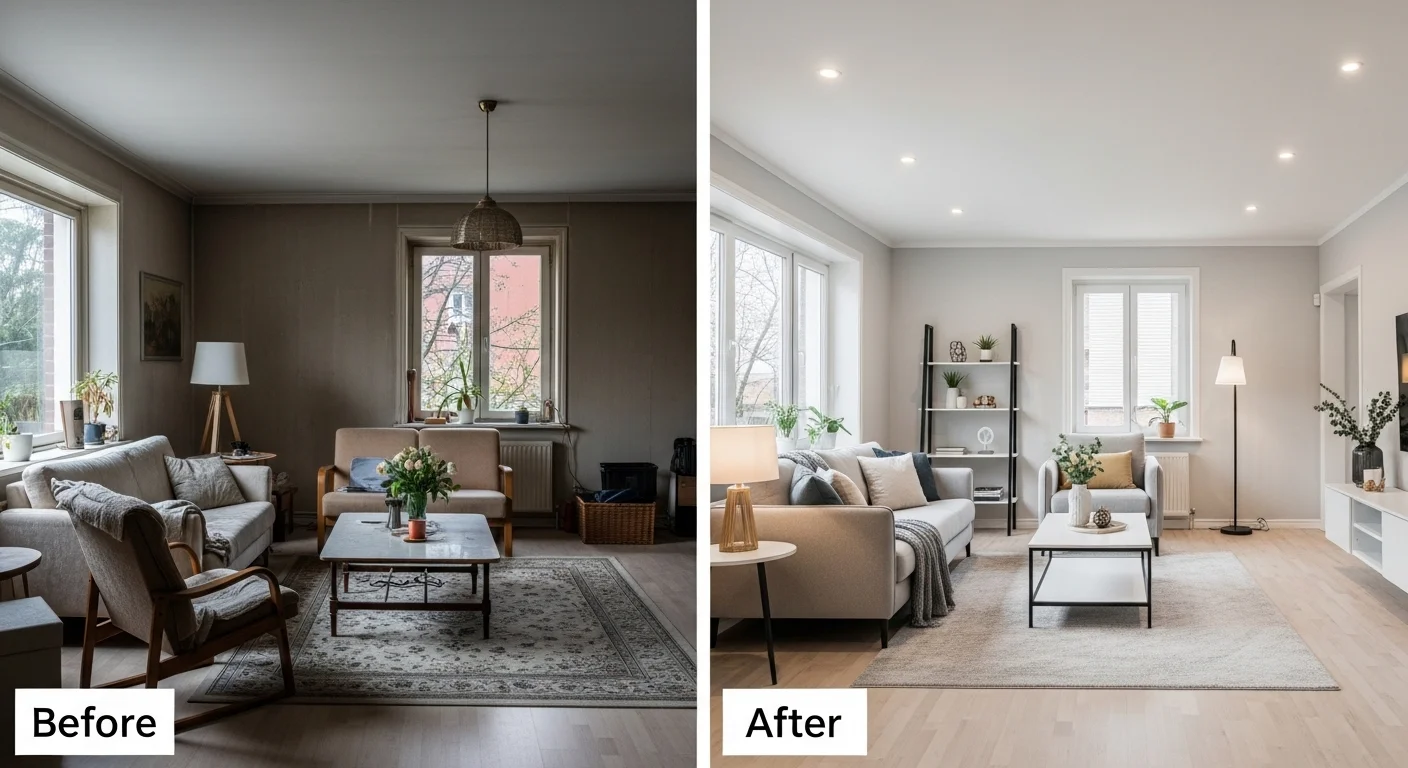
Before and After Expectations
Results can vary based on the condition of the wallpaper. Smooth surfaces often look close to freshly painted walls, while textured wallpaper may still show patterns underneath. Understanding these limitations helps set realistic expectations before starting the project.
Pros and Cons of Painting Over Wallpaper
Pros
- Saves time and effort
- More affordable than removal
- Less wall damage
Cons
- May show seams or texture
- Not suitable for damaged wallpaper
- Can reduce long-term durability
Expert Tips for a Professional Finish
- Use a high-quality primer to seal the surface
- Lightly sand for better smoothness
- Apply thin and even coats of paint
- Allow proper drying time between coats
These small details can make a noticeable difference in the final result.
FAQs
Will paint damage wallpaper?
No, but poor preparation can lead to peeling or bubbling.
Can you paint over textured wallpaper?
Yes, but the texture may still be visible after painting.
Do you always need primer?
Yes, primer is essential for proper adhesion and durability.
Can you remove wallpaper after painting?
It becomes more difficult, but it is still possible with the right tools.
Conclusion
Painting over wallpaper can be a practical solution when done correctly. It saves time and offers a quick way to update a home, but it requires careful preparation and the right materials. If the wallpaper is in good condition and properly primed, the results can look clean and professional. If not, removal may be the better option for long-term results.


Leave a Reply