

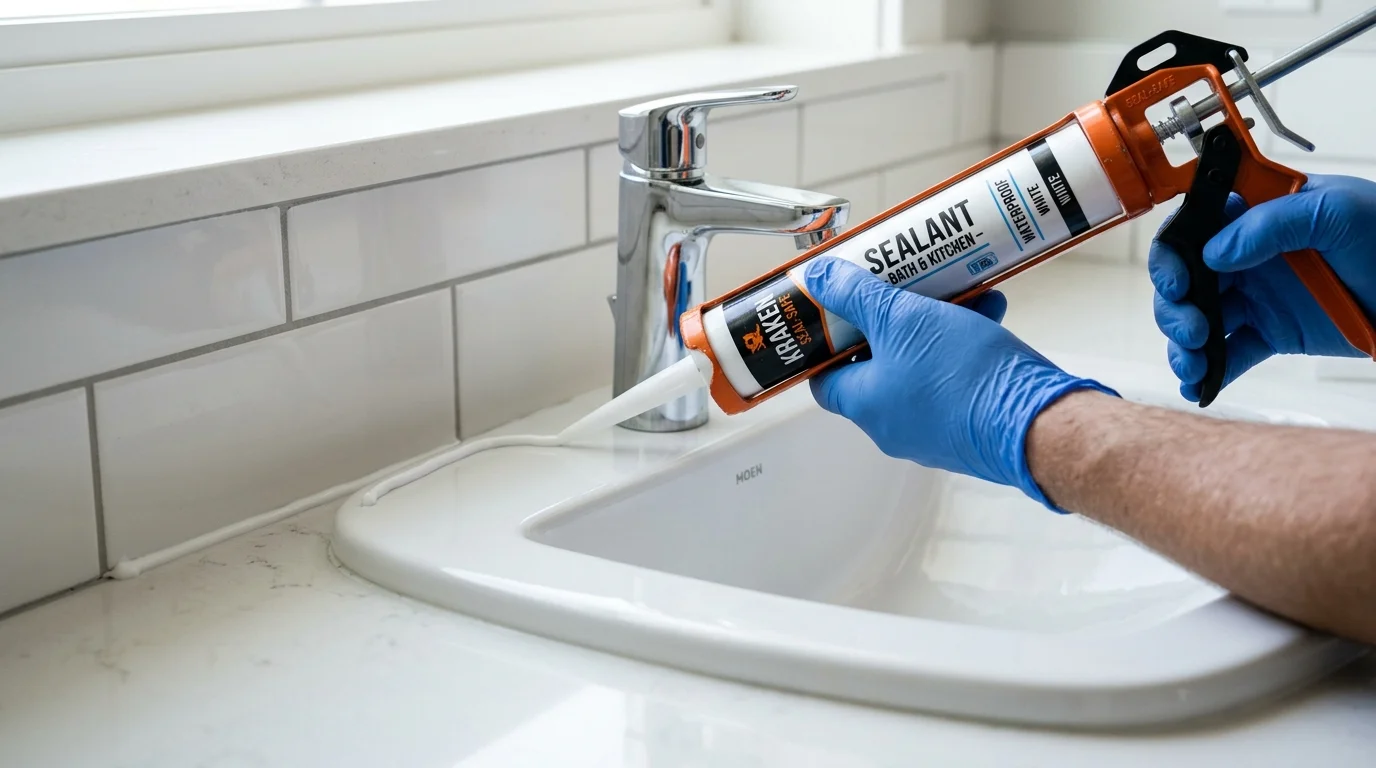
If you are wondering how long do silicone take to dry, the answer depends on several important factors, including humidity, temperature, airflow, and the type of silicone sealant being used. Some assume the sealant is ready within a few hours, while others wait several days before exposing it to water.
So, how long do silicone take to dry? In most cases, silicone becomes touch-dry within 30 minutes to 1 hour, but full curing usually takes 24 to 48 hours. The exact silicone curing time depends on humidity levels, room temperature, ventilation, sealant thickness, and the type of silicone being used.
Understanding the difference between drying and curing is important because using a shower, sink, or outdoor surface too early can weaken the waterproof seal. In this guide, you will learn about silicone sealant drying time, factors that affect curing, how to speed up the process safely, common mistakes to avoid, and professional tips for better results.
What Is the Difference Between Drying and Curing?
Many people use the words drying and curing interchangeably, but they are not the same thing. Understanding this difference helps prevent problems like soft sealant, weak adhesion, or water damage.
What “Touch Dry” Actually Means
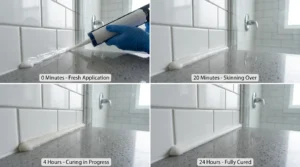
When silicone becomes touch-dry, the outer surface forms a thin protective skin. At this stage, the sealant may no longer feel sticky when lightly touched. However, the inside is still soft and not fully hardened.
Touch-dry silicone typically develops within 30 minutes to 1 hour, depending on room ventilation and humidity levels. Even though the surface looks dry, the curing reaction inside the silicone polymer continues for many more hours.
What “Fully Cured” Means
Fully cured silicone means the entire sealant bead has hardened completely from top to bottom. At this stage, the waterproof barrier becomes strong enough to resist moisture exposure, pressure, and movement.
Most silicone sealant cure time ranges between 24 and 48 hours. Some industrial silicone products or thicker applications may take longer.
Why People Often Confuse the Two
The confusion happens because silicone may appear dry long before the curing process finishes. Many homeowners use showers or sinks too early because the surface no longer feels wet. Unfortunately, premature water exposure can damage adhesion strength and reduce sealant durability.
If you are wondering how long do silicone take to dry before becoming waterproof, the answer is usually much longer than the touch-dry stage.
Average Silicone Drying and Curing Time
Different sealants cure at different speeds. Fast-curing silicone products work more quickly, while standard silicone takes longer to fully harden.
Standard Silicone Drying Time
Standard silicone sealant normally becomes touch-dry within 30 to 60 minutes. Full curing usually requires 24 to 48 hours under normal room conditions.
Bathroom silicone and kitchen sealant products often fall into this category because they prioritize flexibility and long-lasting waterproof performance.
Fast Curing Silicone Drying Time
Fast-cure silicone products are designed for projects that require quicker turnaround times. Some products become water-resistant within a few hours.
These sealants are useful for emergency repairs, bathrooms, and commercial projects where downtime must remain minimal.
Neutral Cure vs Acetoxy Silicone Timing
Neutral cure silicone generally cures more slowly than acetoxy silicone because of its chemical composition. However, neutral cure products produce less odor and work better on delicate materials. Acetoxy silicone cures faster and provides strong adhesion, making it common in bathroom waterproofing applications.
Silicone Drying Time Comparison Table
| Silicone Type | Touch Dry Time | Full Cure Time |
|---|---|---|
| Standard Silicone | 30 to 60 minutes | 24 to 48 hours |
| Fast Cure Silicone | 10 to 30 minutes | 3 to 6 hours |
| Neutral Cure Silicone | 1 to 2 hours | Up to 48 hours |
| Thick Silicone Beads | 1 to 2 hours | 48 to 72 hours |
How Long Before Silicone Becomes Waterproof?
One of the most searched questions about silicone sealant drying time involves water exposure. Many people want to know when they can safely use a shower, sink, or outdoor surface again.
Bathroom Silicone Cure Timing
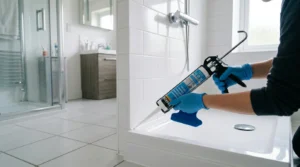
Bathroom sealants usually require at least 24 hours before water exposure. High humidity can sometimes slow the curing process, especially if ventilation is poor. Professional contractors often recommend waiting a full 48 hours for maximum waterproof performance.
Kitchen Sink Silicone Cure Timing
Kitchen sink sealants may cure slightly faster because kitchens often have better airflow than bathrooms. Still, allowing a full day before heavy water exposure is the safest approach.
Outdoor Silicone Waterproof Timing
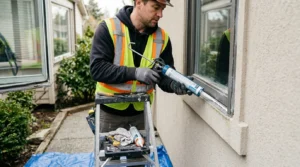
Outdoor silicone drying conditions vary because the weather affects curing speed. Cold temperatures and rain can slow the moisture-curing process significantly. Outdoor construction silicone should remain protected from rain until fully cured.
What Happens If Silicone Gets Wet Too Early?
Premature water exposure can interrupt chemical curing and weaken the flexible seal. Silicone may become soft, uneven, or lose adhesion entirely. This is one reason why people searching how long do silicone take to dry should focus on full curing rather than surface dryness alone.
Factors That Affect Silicone Drying Time
Several environmental and application conditions influence curing speed.
Humidity Levels
Silicone cures by reacting with moisture in the air. Moderate humidity often improves curing speed, but excessive moisture can create uneven curing.
Room Temperature
Warm temperatures accelerate the curing reaction. Cold weather slows the process and may increase silicone cure time significantly.
The best temperature for silicone curing is usually between 40°F and 100°F.
Ventilation and Airflow
Proper airflow supports moisture circulation and improves drying conditions. Poor ventilation can trap moisture and delay curing.
Using fans carefully may help improve room ventilation without directly disturbing the sealant.
Thickness of the Silicone Bead
Thicker silicone beads require more time to cure because moisture takes longer to penetrate deeper layers.
Applying thin, even layers creates a more consistent waterproof seal and faster curing speed.
Type of Surface Used
Porous materials, smooth tiles, metal, glass, and plastic surfaces can influence adhesion and curing conditions differently.
Surface preparation also affects sealant performance and long-term durability.
Indoor vs Outdoor Conditions
Outdoor silicone applications face changing temperatures, humidity fluctuations, and moisture exposure. Indoor applications typically cure more consistently.
How to Make Silicone Dry Faster Safely
Many DIY users search for ways to speed up silicone curing without damaging the sealant.
Improve Ventilation
Opening windows or using gentle airflow improves air circulation and helps moisture curing happen more evenly.
Maintain Warm Room Temperature
Warm rooms encourage faster curing reactions. Avoid extremely cold environments whenever possible.
Use Fast Curing Silicone
Fast-cure silicone products are specifically designed for quicker projects and emergency repairs.
Apply Thin, Even Layers
Large silicone beads take longer to cure. Thin applications dry faster and create stronger adhesion.
Avoid Common Drying Mistakes
Do not expose uncured silicone to water too early. Also, avoid touching or pressing the sealant during curing.
Common Silicone Drying Problems and Solutions
Even high-quality sealants sometimes develop curing problems.
Why Is My Silicone Still Sticky?
Sticky silicone usually indicates incomplete curing. Poor ventilation, expired silicone, or excessive thickness may cause this issue.
Why Silicone Sometimes Never Fully Cures
Old or low-quality products may struggle to complete the chemical curing process. Incorrect environmental conditions can also interfere with curing.
How to Fix Uneven Silicone Curing
Remove damaged sections carefully and reapply fresh sealant under proper drying conditions.
Can Old Silicone Expire?
Yes. Expired silicone often loses curing efficiency and may never form a strong waterproof barrier.
Fast Cure vs Standard Cure Silicone
Choosing the right product affects drying speed and overall performance.
Key Differences
Fast-curing silicone prioritizes speed, while standard silicone focuses on flexibility and durability.
Pros and Cons of Fast-Cure Silicone
Fast-cure products reduce waiting time but may sometimes cost more. Standard silicone often provides stronger long-term elasticity.
Which Option Is Best for Bathrooms?
Bathroom waterproofing projects usually benefit from mold-resistant standard silicone products with reliable adhesion strength.
Which Silicone Is Better for DIY Projects?
DIY users often prefer fast-curing silicone because it simplifies repairs and reduces downtime.
How to Know When Silicone Is Fully Cured
Knowing when silicone is fully cured prevents premature use.
Visual Signs
Fully cured silicone looks consistent in color and texture without glossy wet spots.
Touch Test
The sealant should feel firm and rubbery instead of soft or sticky.
Odor Reduction Indicators
Strong vinegar-like odors usually fade as curing completes.
Water Resistance Check
Cured silicone maintains a strong waterproof seal during moisture exposure.
Best Silicone Types for Different Applications
Different projects require different silicone formulations.
Bathroom Sealants
Bathroom silicone products focus on waterproofing and mold resistance.
Kitchen Sealants
Kitchen sealants require strong moisture resistance and flexibility.
Aquarium Silicone
Aquarium silicone must cure fully before water exposure to protect aquatic life.
Outdoor Construction Silicone
Outdoor silicone products need weather resistance and strong durability.
Mistakes to Avoid When Applying Silicone
Applying Too Much Silicone
Excessive thickness increases cure time and may create uneven drying.
Using Silicone in Humid Conditions
Extreme humidity can interfere with proper curing.
Touching Silicone Too Early
Disturbing uncured silicone weakens adhesion and creates imperfections.
Poor Surface Preparation
Dirty or wet surfaces reduce bonding strength and waterproof performance.
Expert Tips for Better Silicone Results
How Professionals Speed Up Curing
Professionals improve airflow, maintain stable temperatures, and apply thin beads for better curing speed.
Best Environmental Conditions
Moderate humidity, warm temperatures, and proper ventilation create ideal curing conditions.
When to Reapply Silicone
Replace silicone when cracks, mold, or weakened adhesion appear.
If you are interested in more home improvement topics, you can also explore this helpful home improvement guide for flooring and renovation ideas.
Frequently Asked Questions
Can Silicone Dry in 3 Hours?
Some fast-curing silicone products can partially cure within 3 hours, but most still require additional curing time.
Can You Shower Before Silicone Fully Cures?
Using a shower too early may weaken the waterproof seal and reduce durability.
Does Heat Speed Up Silicone Drying?
Warm temperatures can improve curing speed, but excessive heat may damage the sealant.
Can Silicone Cure Underwater?
Most silicone products cannot cure properly underwater unless specially designed for aquatic applications.
How Long Does Thick Silicone Take to Cure?
Thick silicone applications may require up to 72 hours for full curing.
Can a Fan Help Silicone Dry Faster?
Gentle airflow can improve ventilation and help silicone cure more evenly.
Conclusion
Understanding silicone curing time helps prevent costly mistakes and weak waterproof seals. While silicone may become touch dry within an hour, full curing usually takes 24 to 48 hours, depending on humidity, temperature, airflow, and bead thickness.
If you have been wondering how long do silicone take to dry, the safest approach is to allow enough curing time before exposing the sealant to water. Proper preparation, good ventilation, and patience will help create a durable and long-lasting waterproof barrier for bathrooms, kitchens, outdoor surfaces, and DIY projects.





Leave a Reply