

Kouskousi Explained
Many people searching online want to understand what kouskousi actually is and why the term is becoming more visible across food blogs and cultural discussions. In simple terms, it refers to a traditional North African semolina-based dish connected to couscous culture and Mediterranean cuisine. The dish is known for its light texture, comforting flavor, and deep cultural importance.
Although some people confuse it with standard couscous, the word often appears as a regional or stylistic variation tied to traditional cooking and heritage food discussions. Today, interest in authentic cultural dishes and homemade grain meals has helped this topic gain more attention online.
This guide explains the origins, preparation methods, ingredients, taste, and cultural significance of this traditional dish while also exploring its modern popularity.
What Is Kouskousi Food?
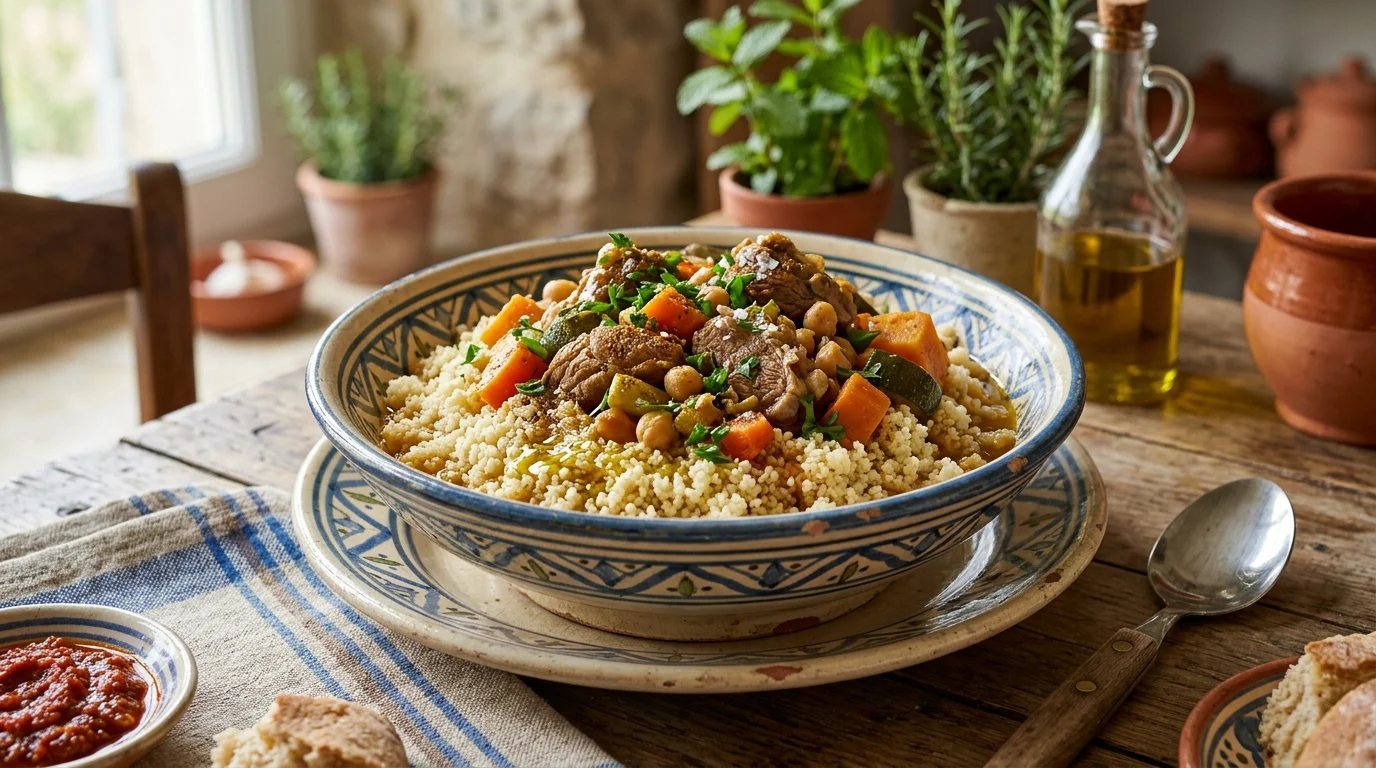
Kouskousi food is generally associated with steamed semolina grains prepared with vegetables, spices, and sometimes meat or legumes. It belongs to the wider family of North African food traditions that have existed for centuries. The dish is commonly prepared using durum wheat semolina, which creates a fluffy and soft texture after steaming. Many traditional recipes include chickpeas, onions, carrots, zucchini, lamb, or chicken. In vegetarian versions, cooks often use roasted vegetables, olive oil, and aromatic herbs to create rich flavor without meat.
One reason people search for this topic is that they want to know whether it differs from couscous. In many cases, the terms overlap. However, the spelling variation appears online due to regional pronunciation, cultural storytelling, and modern content trends. Traditional Mediterranean cuisine values meals that bring families together. This dish reflects that idea through communal dining, slow preparation, and comforting flavors.
Where Does Kouskousi Come From?
The roots of kouskousi trace back to North Africa, especially regions connected to Berber cuisine and Maghrebi food culture. Historians believe semolina-based dishes were prepared centuries ago across Morocco, Algeria, Tunisia, and neighboring areas. Traditional families often prepared couscous dishes during gatherings, celebrations, and religious occasions. Over time, migration and trade helped spread these culinary traditions across Mediterranean regions and eventually into Europe and other parts of the world.
The preparation style became popular because it used simple ingredients while creating filling and flavorful meals. Steamed grains paired with vegetables and slow-cooked meats offered both nutrition and comfort. Today, cultural interest in authentic cuisine has encouraged more people to explore traditional North African recipes and homemade semolina dishes.
How Is Kouskousi Made?
Traditional preparation begins with semolina grains. The grains are lightly moistened and rolled until they form small granules. Afterward, they are steamed carefully to create a fluffy texture. A traditional steaming process is important because it prevents the grains from becoming sticky. Many families use a special pot designed for steaming couscous above simmering broth and vegetables.
The broth usually contains onions, tomatoes, chickpeas, carrots, spices, and herbs. Some recipes also include lamb or chicken for additional richness. Popular seasonings include cumin, coriander, cinnamon, paprika, and black pepper.
Modern cooking methods make preparation easier for beginners. Instant couscous products reduce cooking time significantly while still providing good flavor. However, traditional steaming often delivers the best texture and authenticity. People searching for easy grain bowl recipes often enjoy this dish because it combines healthy ingredients with rich Mediterranean flavors.
Kouskousi Ingredients List
The ingredients used vary by region and family tradition, but several staples appear in most recipes.
Common Ingredients
- Semolina or durum wheat
- Chickpeas
- Carrots
- Onions
- Tomatoes
- Olive oil
- Garlic
- Zucchini
- Traditional spices
- Fresh herbs
Protein choices may include lamb, chicken, or fish. Vegetarian versions often replace meat with roasted vegetables and legumes. Modern adaptations sometimes use whole wheat grains, quinoa, or gluten free alternatives. These healthier ingredient substitutions appeal to people looking for nutritious Mediterranean meals. The flexibility of the dish makes it suitable for family dinners, festive gatherings, and quick homemade lunches.
What Does Kouskousi Taste Like?
The flavor is warm, savory, and comforting. The grains themselves have a mild taste, which allows spices, vegetables, and broth to create most of the flavor profile. Texture plays a major role in the eating experience. Properly steamed semolina becomes soft and fluffy without turning mushy. When combined with aromatic spices and slow-cooked vegetables, the dish develops deep and satisfying flavor.
Many people compare the texture to rice or tiny pasta pearls. However, the preparation method creates a lighter consistency than heavier grain dishes. Popular pairings include roasted vegetables, yogurt sauces, spicy harissa, grilled meats, and fresh salads. Mint tea and citrus drinks are also commonly served alongside traditional meals.
Kouskousi vs Couscous: What’s the Difference?
One of the most searched questions online involves the difference between kouskousi and couscous. In many situations, they refer to the same culinary tradition or closely related variations. The difference often comes from spelling, regional language, pronunciation, or online interpretation. Some websites treat the word as a cultural variation, while others connect it directly to traditional couscous dishes.
Both terms generally describe semolina-based meals prepared through steaming and served with vegetables, broth, and spices. Search engine confusion around these keywords has increased because different blogs define the term differently. That creates an opportunity for readers to better understand the cultural background and historical context behind the dish.
Is Kouskousi Healthy?
This traditional meal can be very nutritious when prepared with balanced ingredients. Semolina provides carbohydrates for energy, while vegetables and legumes contribute fiber, vitamins, and minerals. Protein-rich versions with chicken, fish, or chickpeas can support a balanced diet. Olive oil and herbs also contribute healthy fats and antioxidants commonly found in Mediterranean cuisine.
People often ask whether the dish is suitable for weight management. In moderate portions, it can fit into healthy meal plans because it is filling and nutrient-dense.
However, semolina contains gluten, so traditional versions are not gluten free. Fortunately, modern alternatives using rice or gluten-free grains are becoming more common. Vegetarian and vegan adaptations are also popular because the dish naturally pairs well with vegetables and plant-based proteins.
Traditional Importance of Kouskousi
Food traditions often carry emotional and cultural meaning, and this dish is no exception. Families across North Africa have prepared similar meals for generations during celebrations, religious gatherings, and community events.
The process of steaming grains and preparing broth slowly became associated with patience, hospitality, and family unity. In many households, recipes are passed down from parents to children through shared cooking experiences.
Traditional meals also symbolize abundance and togetherness. Large serving platters encourage communal dining and conversation during important occasions. As interest in heritage cooking continues to grow, many younger generations are rediscovering authentic cultural dishes connected to family history and regional identity.
Modern Kouskousi Trends
Modern food culture has introduced new ways to enjoy traditional Mediterranean dishes. Restaurants now serve couscous-inspired bowls with roasted vegetables, seafood, herbs, and fusion flavors. Social media platforms have also increased awareness of North African comfort food. Food bloggers frequently share homemade semolina recipes, quick meal ideas, and healthy grain bowls inspired by traditional cooking methods.
Some chefs combine ancient preparation styles with modern presentation techniques to attract younger audiences interested in authentic cuisine and healthy eating. This renewed attention has helped traditional dishes gain visibility outside their original regions while preserving important culinary traditions.
Best Ways to Serve Kouskousi
Traditional serving styles usually involve placing steamed grains on a large dish topped with vegetables, broth, and protein. Family members often share the meal together.
Modern serving ideas include:
- Grain bowls with roasted vegetables
- Vegetarian Mediterranean platters
- Spiced chicken couscous dishes
- Herb-infused side dishes
- Light summer salads with semolina
Flavorful sauces such as harissa, yogurt dressing, or garlic herb mixtures can enhance the meal further.
Fresh herbs, lemon wedges, and olive oil are also popular finishing touches that add brightness and aroma.
Common Questions About Kouskousi
Is it a grain or pasta?
Semolina technically comes from durum wheat, so many experts classify it as a pasta rather than a grain.
Can it be reheated?
Yes, leftovers can be reheated gently with a little water or broth to maintain texture.
What spices work best?
Cumin, coriander, cinnamon, paprika, turmeric, and black pepper are commonly used.
Is it spicy?
Traditional recipes are usually mild, although spicy sauces can add heat.
Can children eat it?
Yes, the soft texture and mild flavor often make it suitable for children.
How long does it last?
Refrigerated leftovers typically remain fresh for several days when stored properly.
Conclusion
Kouskousi represents much more than a simple semolina dish. It reflects centuries of culinary history, cultural identity, and family tradition connected to North African and Mediterranean cuisine.
Its comforting flavor, flexible ingredients, and rich heritage continue to attract people interested in authentic cultural food. Whether prepared through traditional steaming methods or modern adaptations, the dish remains a symbol of hospitality, warmth, and shared dining experiences. As global interest in traditional cuisine continues to grow, more people are discovering the value of homemade meals rooted in history and community.




Leave a Reply