

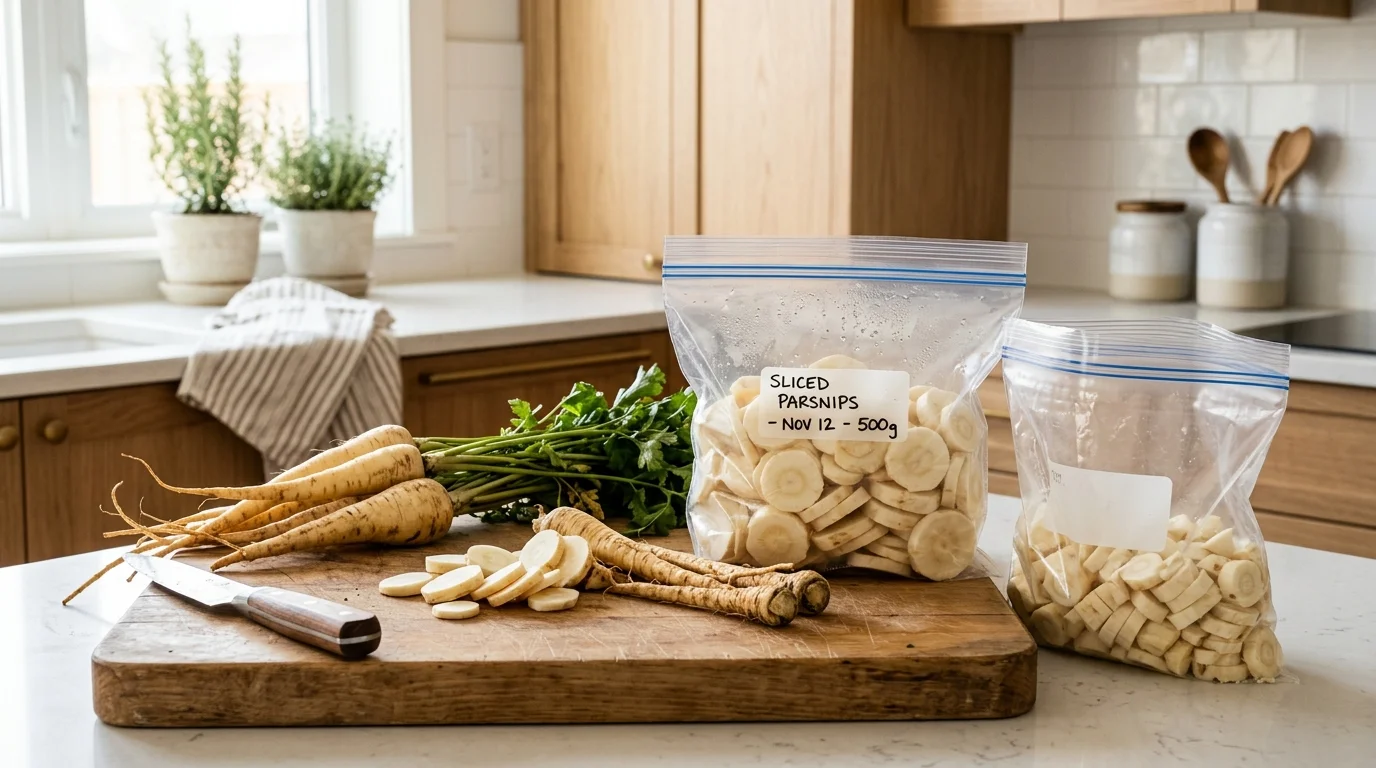
Parsnips are a delicious root vegetable that works well in soups, roasted dinners, casseroles, and comforting winter meals. Their naturally sweet and earthy flavor becomes even better after cooking, which is why many people like to keep them on hand throughout the year. If you bought too many at the store or harvested a large batch from the garden, you may be wondering can you freeze parsnips without affecting their quality.
The good news is that parsnips freeze very well when prepared correctly. Whether you want to freeze raw parsnips, cooked parsnips, or even mashed parsnips, there are several easy ways to preserve them while keeping their flavor and texture as fresh as possible. This complete guide explains how to freeze parsnips properly, how long frozen parsnips last, and the best methods to prevent freezer burn and texture loss.
Can Parsnips Be Frozen Successfully?
Yes, parsnips can be frozen successfully, especially when they are blanched before storage. Freezing helps preserve their natural sweetness, nutrients, and texture for future meals. Many people freeze parsnips as part of meal prep or seasonal food preservation because they are easy to store and simple to cook later.
Frozen parsnips work best in cooked dishes such as soups, roasted vegetable trays, stews, casseroles, and mash recipes. While their texture may soften slightly after thawing, the flavor remains rich and delicious. If you are asking, can you freeze parsnips for long-term storage? The answer is definitely yes. With proper preparation and airtight storage, they can stay fresh in the freezer for several months.
Why People Freeze Parsnips
There are many practical reasons why people freeze root vegetables like parsnips. Some want to preserve fresh garden produce before it spoils, while others prefer preparing vegetables in advance to save time during busy weeks.
Freezing parsnips is also a great way to reduce food waste. Instead of throwing away extra vegetables, you can freeze them and use them later in soups, roasted dishes, or side recipes. This method is especially useful during colder months when parsnips are in season and available in large quantities. Many home cooks also freeze cooked parsnips because they reheat well and make meal preparation faster. Keeping frozen vegetables on hand can simplify weeknight cooking and help you prepare healthy meals more quickly.
Do Parsnips Freeze Well?
Parsnips freeze surprisingly well compared to many other vegetables. Their dense texture allows them to hold up nicely during freezing, especially when they are blanched first. Although frozen parsnips may become slightly softer after thawing, they still maintain their flavor and work perfectly in cooked recipes.
Blanching helps preserve color, texture, and nutrients by slowing down enzyme activity inside the vegetables. This step is especially important if you plan to store parsnips in the freezer for several months. Frozen parsnips are ideal for roasting, mashing, soups, stews, and air fryer recipes. Because they are already partially prepared before freezing, they can also reduce cooking time later.
Best Way to Freeze Parsnips Step by Step
Learning how to freeze parsnips correctly can make a big difference in their quality after thawing. The process is simple, but following each step carefully helps preserve freshness and prevents freezer burn.
Wash and Peel the Parsnips
Start by washing the parsnips thoroughly under cold water to remove any dirt or debris. Since parsnips grow underground, they often contain soil around the skin. After cleaning them, peel away the outer layer using a vegetable peeler. Peeling gives frozen parsnips a smoother texture and better appearance after cooking.
Slice or Dice Evenly
Cut the parsnips into evenly sized pieces. You can slice them into rounds, cubes, or sticks, depending on how you plan to use them later. Uniform pieces freeze more evenly and cook more consistently after thawing. Smaller pieces are often better for soups and stews, while larger sticks work well for roasting or air frying.
Blanch the Parsnips
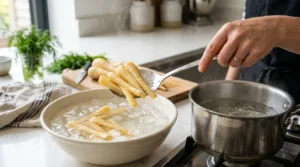
Bring a large pot of water to a boil and place the parsnips into the boiling water for about 2 to 3 minutes. Blanching is one of the most important steps because it helps preserve flavor, texture, and nutrients during freezer storage. Without blanching, frozen vegetables can lose quality more quickly and may develop unpleasant textures over time.
Cool in Ice Water
After blanching, immediately transfer the parsnips to a bowl filled with ice water. This process stops the cooking and helps the vegetables maintain a firm texture. Allow the parsnips to cool completely before moving to the next step.
Dry Thoroughly
Drain the parsnips well and pat them dry using paper towels or a clean kitchen towel. Excess moisture can create ice crystals inside freezer bags, which may lead to freezer burn and a soggy texture later.
Flash Freeze Before Storage
Spread the parsnips in a single layer on a baking tray and place them in the freezer for about one to two hours. This process is called flash freezing and prevents the pieces from sticking together. Flash freezing makes it easier to remove only the amount you need later.
Transfer to Freezer Bags
Once frozen, place the parsnips into airtight freezer bags or freezer-safe containers. Remove as much air as possible before sealing the bags. Proper storage helps keep frozen parsnips fresh for a longer time. Always label the containers with the freezing date so you can keep track of storage time.
Should You Blanch Parsnips Before Freezing?
Blanching is strongly recommended when freezing parsnips and other root vegetables. Although some people skip this step, blanching helps maintain the best possible texture and flavor during long-term freezer storage.
The heat from blanching stops natural enzymes inside the vegetables from breaking down nutrients and causing discoloration. As a result, blanched parsnips stay fresher and taste better after thawing. If you only plan to store parsnips for a short period, freezing them raw may still work. However, blanching is the best option for preserving quality over several months.
Can You Freeze Raw Parsnips Without Blanching?
Yes, raw parsnips can be frozen without blanching, but they may not stay fresh for as long. Unblanched vegetables are more likely to develop texture changes, flavor loss, and freezer burn over time.
Raw freezing works best if you plan to use the parsnips within a few weeks. Many people add raw frozen parsnips directly into soups or stews where texture changes are less noticeable. If you want the best results for long-term storage, blanching remains the preferred method.
Can You Freeze Cooked Parsnips?
Cooked parsnips freeze very well and are convenient for quick meals. Roasted parsnips, mashed parsnips, and even parsnip soup can all be stored successfully in the freezer.
Roasted parsnips should cool completely before being transferred to airtight containers. Mashed parsnips freeze especially well because their creamy texture remains smooth after reheating. Many people also freeze honey-roasted parsnips for holiday meal preparation. Although cooked parsnips may soften slightly after thawing, they still taste delicious and are easy to reheat.
How Long Do Frozen Parsnips Last?
Frozen parsnips can last for many months when stored correctly. Blanched parsnips usually maintain their best quality for up to 8 to 12 months, while cooked parsnips are best used within 6 months.
Raw unblanched parsnips have a shorter freezer life because they are more likely to lose texture and flavor. For the best taste and quality, try to use frozen vegetables within the recommended time frame.
Keeping freezer temperatures consistent and using airtight containers can help extend storage life even further.
Best Containers for Freezing Parsnips
Choosing the right storage container is important when freezing vegetables. Airtight freezer bags are one of the most popular options because they save space and reduce air exposure.
Vacuum-sealed bags are another excellent choice because they help prevent freezer burn by removing excess air. Freezer-safe plastic or glass containers also work well for storing cooked parsnips and soups.
No matter which container you choose, proper sealing is essential for maintaining freshness.
How to Thaw Frozen Parsnips Properly
Frozen parsnips can often be cooked directly from the freezer, especially when roasting or adding them to soups and stews. However, if you prefer thawing them first, it is best to place them in the refrigerator overnight.
Avoid leaving frozen vegetables at room temperature for long periods because this can affect food safety and texture. Cooking them while still partially frozen often helps them maintain better consistency.
Common Mistakes to Avoid When Freezing Parsnips
One of the biggest mistakes people make is skipping the blanching process. Without blanching, frozen parsnips may lose flavor and develop poor texture much faster.
Another common issue is storing vegetables with too much moisture. Wet vegetables can form ice crystals inside freezer bags, leading to freezer burn and a soggy texture. Overpacking freezer containers can also reduce quality because air circulation becomes limited. Proper preparation and storage techniques help frozen parsnips stay fresher for much longer.
Signs Frozen Parsnips Have Gone Bad
Although frozen vegetables last a long time, they can still lose quality over time. Large ice crystals, dry patches, discoloration, and strong odors are common signs of freezer burn or spoilage. If the texture appears severely damaged or the smell seems unusual, it is usually best to discard the parsnips. Proper airtight storage greatly reduces the chances of freezer damage.
Can You Refreeze Parsnips?
Parsnips can sometimes be refrozen if they were thawed safely in the refrigerator and not left at room temperature for too long. However, repeated freezing and thawing can negatively affect texture and flavor. To avoid waste, many people freeze parsnips in smaller portions so they only thaw the amount needed for each recipe.
Air Frozen Parsnips Still Healthy?
Frozen parsnips still contain valuable nutrients, including fiber, vitamins, and antioxidants. In many cases, freezing vegetables shortly after harvest helps preserve their nutritional value quite well. Although blanching causes slight nutrient loss, frozen parsnips remain a healthy addition to soups, side dishes, and meal prep recipes.

Best Ways to Cook Frozen Parsnips
Frozen parsnips are incredibly versatile and easy to cook. Roasting brings out their natural sweetness and creates a rich caramelized flavor. Air frying is another popular option because it produces crispy edges with very little oil. Many people also add frozen parsnips directly into soups and stews for extra flavor and texture. Mashed parsnips are another comforting option that works especially well during colder months.
FAQs
Can babies eat frozen parsnips?
Yes, frozen parsnips can be used in homemade baby food after being cooked thoroughly and blended into a smooth texture.
Can you freeze parsnips whole?
You can freeze whole parsnips, but slicing them first usually provides better freezing and cooking results.
How long should you blanch parsnips?
Parsnips typically need about 2 to 3 minutes of blanching before freezing.
Can you freeze parsnips from the garden?
Yes, fresh garden parsnips freeze extremely well when prepared and stored correctly.
Can frozen parsnips be roasted directly?
Yes, frozen parsnips can be roasted directly from the freezer without thawing first.
Final Thoughts
If you have ever wondered can you freeze parsnips for long-term storage, the answer is yes. Freezing is one of the easiest and most effective ways to preserve this flavorful root vegetable while reducing food waste and saving preparation time later.
By blanching the parsnips, drying them properly, and storing them in airtight containers, you can enjoy delicious frozen parsnips for months. Whether you want to prepare soups, roasted vegetables, or creamy mash recipes, frozen parsnips are a convenient and healthy option to keep in your freezer year-round.




Leave a Reply