

What is Soutaipasu in Japanese Cuisine?
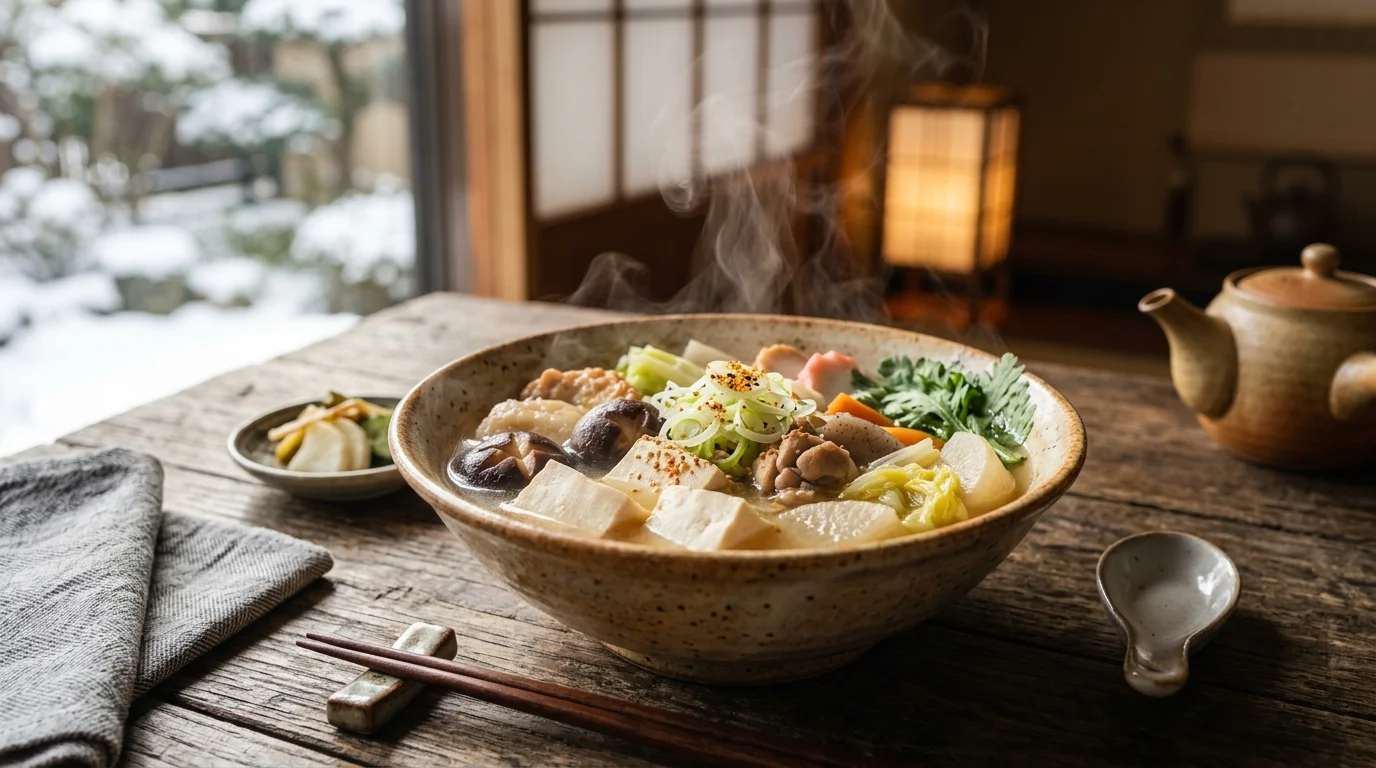
Soutaipasu is a term often used in Japanese-inspired food discussions where it represents a warm and comforting bowl-style meal connected with seasonal cooking traditions. In many modern food blogs, it is described as a simple dish concept focused on comfort, warmth, and balance rather than complexity.
People usually search for soutaipasu to understand whether it is a traditional Japanese dish, a recipe style, or a cultural food idea. In most interpretations, it reflects home-style cooking that is especially popular during colder seasons.
Meaning and Cultural Background of Soutaipasu
The idea behind soutaipasu is closely linked to Japanese food culture, where seasonal eating plays an important role. Instead of focusing on heavy or complicated meals, Japanese cuisine often highlights natural flavors and balanced ingredients. In this context, soutaipasu is associated with comfort food that is enjoyed at home. It reflects simplicity and emotional satisfaction, which are key elements in many Japanese winter meals. This cultural connection is one of the reasons it appears frequently in food storytelling content.
Ingredients Used in Soutaipasu Style Dishes
A soutaipasu-style meal usually includes basic and fresh ingredients. These may vary depending on interpretation, but the overall idea remains consistent: simplicity and balance. Common components include vegetables, a light broth base, tofu or meat, and sometimes rice or noodles. The flavor is kept mild so that the natural taste of ingredients stands out. This makes it a flexible dish idea that can be adjusted based on personal preference or seasonal availability.
Simple Cooking Method Explained
Preparing this dish is straightforward and beginner-friendly. It usually starts with preparing fresh ingredients such as chopped vegetables and a protein source. A light broth is then heated until it reaches a gentle simmer. Vegetables are added first so they can soften gradually, followed by tofu or meat to absorb flavor. Finally, mild seasoning is added to maintain balance. The dish is served warm and is best enjoyed immediately to preserve its comforting texture and taste.
Beginner Tips for Better Results
If you are trying this dish for the first time, focus on simplicity. Use fresh ingredients and avoid overcooking vegetables to maintain texture. It is also important not to over-season the broth. The goal is to keep the flavor light and natural. Cutting ingredients into similar sizes helps ensure even cooking and better consistency.
How It Differs from Other Japanese Comfort Foods
This dish concept is often compared with other Japanese comfort meals, but it stands out because of its flexibility. Unlike traditional recipes that require strict methods, this one allows adjustments based on available ingredients.It is lighter than many rich Japanese dishes and focuses more on balance and warmth rather than strong seasoning or complex preparation.
Nutritional Overview
From a nutritional perspective, soutaipasu-style meals can be balanced depending on ingredients used. They often include carbohydrates, protein, and vitamins from vegetables. Because cooking methods are usually light, the meal can remain low in fat. This makes it suitable for people looking for a simple and nourishing food option.
When prepared with fresh ingredients and minimal oil, it can fit into a healthy diet easily.
Modern Variations and Adaptations
Modern cooking trends have introduced several variations of this dish concept. Some versions replace animal protein with plant-based alternatives for vegan diets, while others focus on low-calorie preparation methods. There are also fusion versions that combine international flavors with traditional Japanese-style cooking ideas. These variations make the dish more adaptable for different lifestyles and dietary needs.
Best Foods to Serve With It
This meal pairs well with simple side dishes that do not overpower its light flavor. Steamed rice, pickled vegetables, or a small salad are commonly served alongside it. Warm tea is also a popular pairing, especially during colder seasons, as it enhances the comforting experience.
Why It Is Popular in Winter Season
This dish concept is especially popular during winter because of its warm and soothing nature. It provides comfort during cold weather and is easy to digest. Many people prefer light yet warm meals in winter, and this style of cooking fits perfectly into that preference. It also reflects traditional seasonal eating habits found in Japanese cuisine.
Common Cooking Mistakes
One common mistake is overcooking vegetables, which can make them lose texture and freshness. Another issue is using too much seasoning, which can overpower the natural flavor. Sometimes the broth becomes too heavy, which changes the light nature of the dish. Maintaining balance is essential for achieving the intended taste.
Expert Cooking Tips
To improve flavor, always use fresh seasonal ingredients. Slow cooking helps ingredients release natural taste into the broth. Keeping seasoning minimal is important to preserve authenticity. The focus should always be on harmony between ingredients rather than intensity of flavor.
Final Thoughts
Soutaipasu represents a simple and comforting approach to Japanese-inspired cooking. It is flexible, easy to prepare, and closely connected with seasonal food traditions. Its growing popularity comes from its adaptability and soothing nature, making it a favorite concept in modern food discussions and home cooking inspiration.





Leave a Reply