

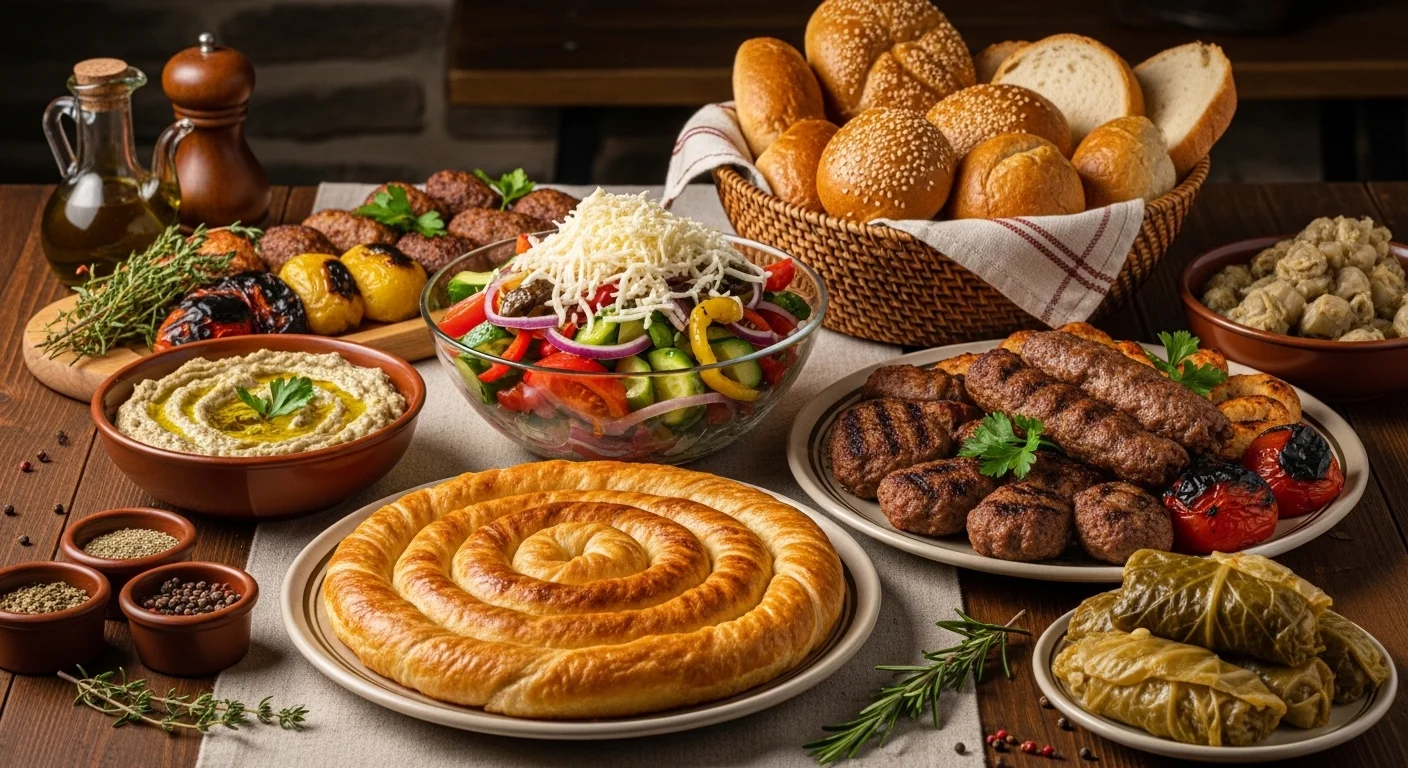
Bulgarian cuisine is a flavorful blend of history, culture, and fresh ingredients that reflect the country’s rich heritage. Known for its balance of hearty meals and light salads, this culinary tradition combines influences from the Balkans, the Mediterranean, and the Ottoman era.
People often search for what is bulgarian cuisine, and the answer lies in its simplicity and authenticity. From homemade meals to vibrant seasonal produce, food in Bulgaria is deeply connected to family traditions and everyday life.
History and Origins of Bulgarian Cuisine
The roots of bulgarian cuisine go back centuries, shaped by Thracian, Slavic, and Ottoman influences. Each culture contributed unique cooking techniques and ingredients that still define traditional Bulgarian food today.
The Ottoman Empire introduced spices, pastries, and slow-cooked dishes, while Slavic traditions emphasized dairy products and preserved foods. Over time, these elements blended into a cuisine that is both diverse and deeply rooted in local customs.
Regional variations also play a role. Mountain areas focus on hearty meals, while coastal regions incorporate lighter dishes and fresh vegetables.
What Is Bulgarian Cuisine Known For
If you are wondering what cuisine of bulgaria is known for, the answer lies in its fresh and wholesome approach. Meals often feature vegetables, herbs, and dairy products prepared in simple yet delicious ways.
Some defining characteristics include:
- Use of fresh vegetables and seasonal ingredients
- Popularity of yogurt and white cheese
- Balanced flavors with herbs and mild spices
- A mix of grilled, baked, and slow-cooked dishes
These elements make bulgarian food both comforting and nutritious.
Key Ingredients in Bulgarian Cooking
Understanding the ingredients helps explain why bulgarian dishes are so unique. Traditional cooking relies on locally sourced products that enhance flavor without complexity.

Common ingredients include:
- Bulgarian yogurt is known for its probiotic qualities
- Sirene cheese, similar to feta
- Fresh vegetables like tomatoes, cucumbers, and peppers
- Herbs such as parsley, dill, and mint
- Meats including pork, chicken, and lamb
These ingredients form the foundation of many authentic bulgarian recipes and contribute to the cuisine’s distinctive taste.
Most Famous Bulgarian Dishes
When exploring traditional bulgarian foods you have to try, several iconic dishes stand out. These meals are widely recognized and represent the heart of the cuisine.
Banitsa
A beloved pastry made with layers of dough, eggs, and cheese. It is often enjoyed for breakfast.
Shopska Salad
One of the most famous bulgarian foods, this fresh salad combines tomatoes, cucumbers, onions, and grated cheese.
Tarator
A cold yogurt soup perfect for summer, made with cucumbers, garlic, and dill.
Kavarma
A slow-cooked meat and vegetable stew that highlights rich flavors.
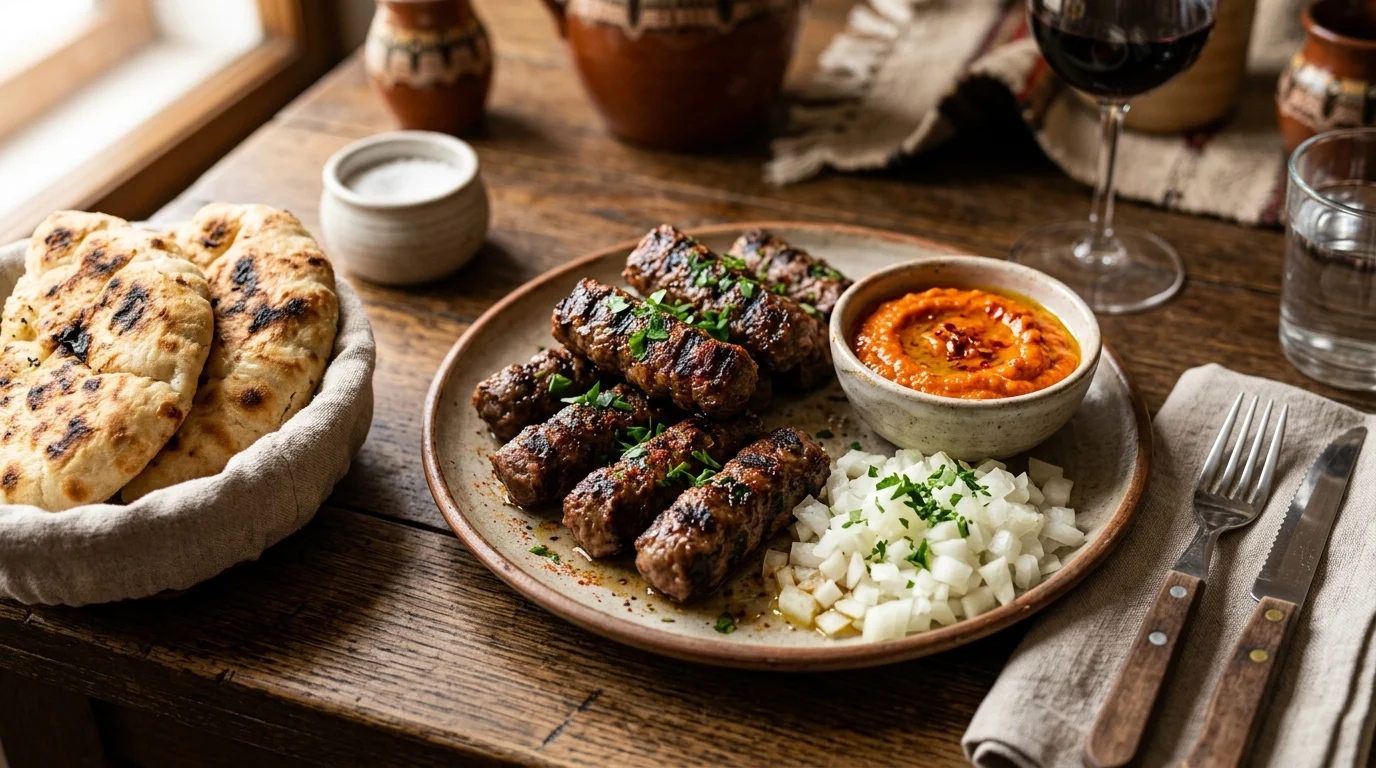
Kyufte and Kebapche
Grilled minced meat dishes are popular across the country.
Lyutenitsa
A traditional spread made from tomatoes and peppers, often served with bread.
These dishes are essential in any bulgarian food guide and are often listed among the best bulgarian dishes to try.
Bulgarian Meals by Time of Day
Bulgarian Breakfast Foods
Breakfast in cuisine of bulgaria is simple yet satisfying. Common options include banitsa, yogurt, and pastries. Many people also enjoy bread with cheese or jam.
Bulgarian Lunch Traditions
Lunch tends to be lighter, featuring salads, soups, and small portions of cooked meals. Shopska salad is a staple during this time.
Bulgarian Dinner Dishes
Dinner is usually the main meal of the day. It often includes grilled meats, stews, and a variety of side dishes, making it one of the most enjoyable parts of bulgarian meals.
Bulgarian Soups, Salads, and Appetizers
Soups and salads play a major role in bulgarian food culture. They are often served as starters but can also be meals on their own. Popular options include tarator and various vegetable soups. Salads are always fresh and are usually prepared with seasonal ingredients, making them both healthy and flavorful.
Traditional Bulgarian Desserts
Desserts in Bulgaria reflect both local traditions and historical influences. Sweet pastries are common, often made with nuts, honey, and syrup.
Popular choices include:
- Tikvenik, a pumpkin-filled pastry
- Baklava, influenced by Ottoman cuisine
- Homemade cakes and sweet breads
These treats are an important part of celebrations and family gatherings.

Regional Variations in Bulgarian Cuisine
Different regions offer unique takes on traditional cuisine bulgaria. Mountain areas focus on rich and hearty meals, while coastal regions highlight lighter dishes with fresh produce. These variations make exploring bulgarian food even more exciting, as each region brings its own flavors and specialties.
Is Bulgarian Food Healthy
Many people ask, is bulgarian cuisine healthy, and the answer is yes in most cases. The emphasis on fresh vegetables, fermented dairy, and balanced meals contributes to a nutritious diet. Compared to other European cuisines, it shares similarities with Mediterranean eating habits, making it both wholesome and satisfying.
How to Try Bulgarian Cuisine at Home
If you want to experience authentic flavors, trying easy cuisine of bulgaria at home is a great start. Begin with simple dishes like shopska salad or banitsa.
Use fresh ingredients and follow traditional methods to achieve the best results. This approach allows you to enjoy authentic bulgarian recipes without needing advanced cooking skills.
Bulgarian Cuisine vs Balkan and Mediterranean Food
Bulgarian cuisine is often compared to other Balkan and Mediterranean cuisines. While they share similarities such as fresh ingredients and grilled dishes, Bulgarian food stands out for its use of yogurt and unique flavor combinations. This blend of influences makes it distinct while still familiar to many food lovers.
FAQs
What is bulgarian cuisine known for
It is known for fresh ingredients, yogurt, cheese, and a balance of light and hearty dishes.
What are the most popular bulgarian dishes?
Popular options include banitsa, shopska salad, kavarma, and tarator.
Is bulgarian food healthy?
Yes, it often includes vegetables, fermented dairy, and balanced meals.
What do Bulgarians eat daily?
Daily meals usually consist of salads, soups, bread, and cooked dishes made from fresh ingredients.
Conclusion
Bulgarian cuisine offers a rich culinary experience that blends tradition, flavor, and culture. From iconic dishes to healthy ingredients, it provides something for every food lover. Whether you are exploring famous bulgarian foods or trying easy recipes at home, this cuisine is both accessible and deeply satisfying.







Leave a Reply