

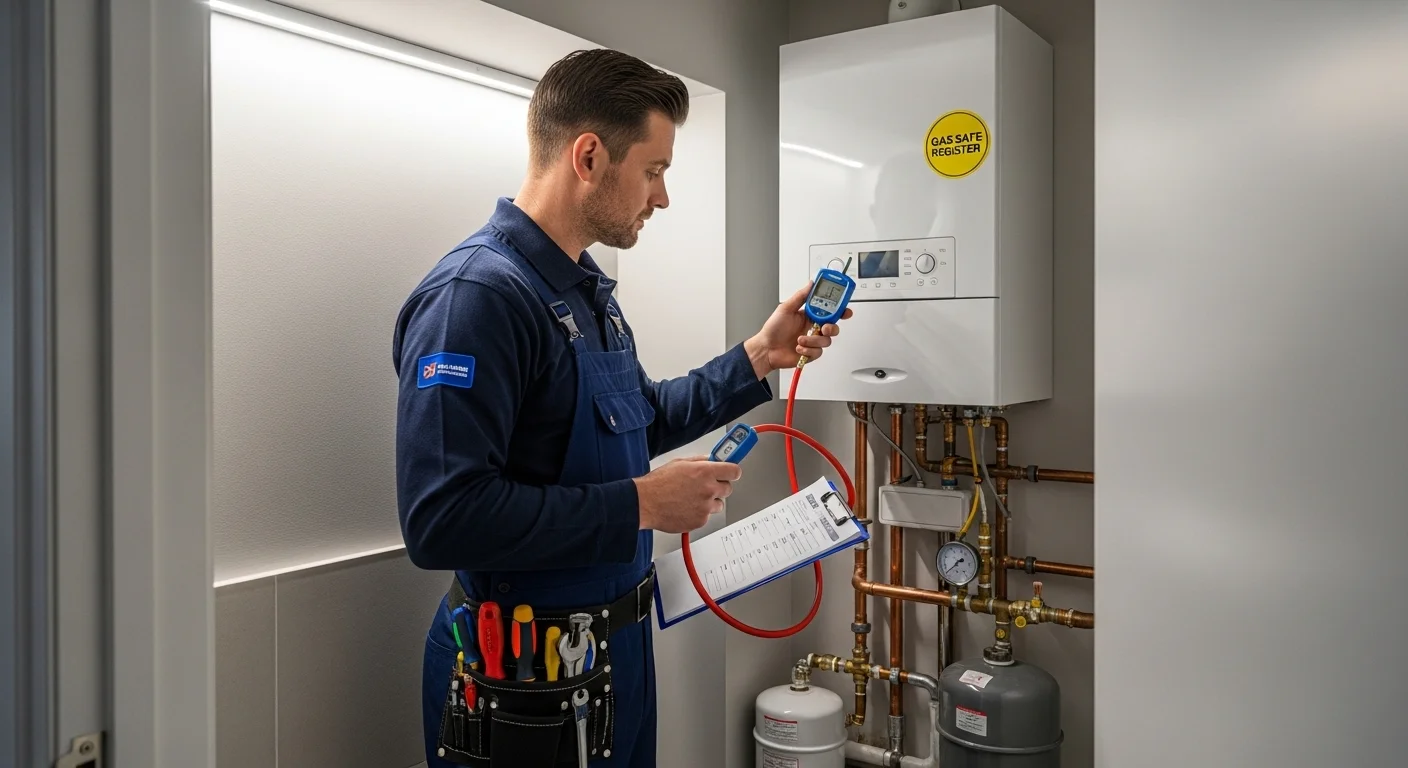
Gas appliances make daily life convenient, but they also require proper maintenance and safety checks. Faulty boilers, gas cookers, or heating systems can create serious hazards, including gas leaks and carbon monoxide poisoning. Because of these risks, regular inspections are essential for properties that contain gas installations.
A Gas Safety Certificate confirms that all gas appliances in a property have been inspected by a qualified professional and are safe to use. This document plays a critical role in protecting tenants and ensuring landlords comply with safety regulations. Whether you manage a single rental property or several buildings, understanding gas safety rules can help you avoid legal problems while keeping occupants safe.
This guide explains the purpose of gas safety inspections, who needs them, what happens during a gas safety check, and how property owners can maintain compliance with gas safety regulations.
What Is a Gas Safety Certificate
A gas safety certificate is an official document issued after a professional inspection of gas appliances and installations within a property. During the inspection, a qualified engineer checks whether appliances such as boilers, gas cookers, and heating systems operate safely and meet current safety standards.
The inspection evaluates several important components, including gas pipework, ventilation, appliance condition, and flue systems. If the engineer confirms that everything is functioning correctly, they provide a Gas Safety Certificate as proof that the property meets required safety guidelines.
Definition of a Gas Safety Certificate
The certificate serves as a formal record of a completed gas safety inspection. It confirms that all inspected appliances have passed the necessary safety checks and that no dangerous faults were found during the evaluation.
This document typically includes details such as the engineer’s registration information, inspection date, appliance list, and any safety recommendations. Property owners must keep this record for reference and future inspections.
Why Gas Safety Certificates Exist
Gas safety certification exists primarily to prevent accidents. Gas leaks, faulty burners, or blocked flues can lead to fires, explosions, or exposure to carbon monoxide. Regular inspection helps identify these risks early.
Safety authorities introduced mandatory gas safety inspections to ensure that landlords and property managers maintain safe living environments. When appliances receive routine maintenance and testing, the chances of serious incidents decrease significantly.
Difference Between Gas Safety Certificate and CP12
Many landlords also hear the term CP12 certificate. The CP12 is simply another name for the landlord gas safety record used in many regions. It documents the results of a gas appliance inspection conducted by a Gas Safe registered engineer.
While terminology may differ slightly, both records confirm that gas appliances have been checked and meet safety standards.
Why a Gas Safety Certificate Is Important
Gas safety inspections protect people and property. Appliances that burn gas must operate correctly to avoid dangerous situations.
Protecting Tenants from Gas Hazards
Tenants rely on landlords to provide safe living conditions. Gas appliances that malfunction may release harmful gases or create fire hazards. Routine gas appliance inspection ensures that these systems remain safe for everyday use.
Preventing Carbon Monoxide Poisoning
Carbon monoxide is an invisible and odorless gas produced when fuel burns incorrectly. A faulty appliance can release this gas into living spaces without warning.
Regular gas safety checks help detect ventilation problems, incomplete combustion, or damaged flues that could lead to carbon monoxide exposure.
Legal Compliance for Landlords
Landlords are responsible for maintaining safe gas installations in rental properties. Annual inspections performed by a qualified gas safe engineer confirm that appliances comply with gas safety regulations. Maintaining proper documentation protects property owners and demonstrates compliance with safety standards.
Who Needs a Gas Safety Certificate
Several types of property owners and organizations must ensure gas systems are inspected regularly.
Landlords
Landlords who rent residential properties containing gas appliances must arrange regular safety inspections. This includes boilers, gas cookers, and heating systems connected to gas pipework.
Property Managers
Property management companies that oversee multiple rental units must ensure each property receives routine gas safety checks.
Commercial Property Owners
Businesses that operate gas appliances in offices, shops, or restaurants should maintain commercial gas safety inspections to protect employees and customers.
Hotels and Hospitality Businesses
Hotels, guesthouses, and catering establishments often rely on gas-powered cooking equipment and heating systems. Regular inspections help maintain compliance and reduce safety risks.
What Does a Gas Safety Check Include
During a gas safety inspection, engineers examine several key components of the gas system to confirm everything operates correctly.
Gas Appliance Inspection
The engineer inspects each gas appliance to verify that it functions safely. They examine burners, ignition systems, and general appliance condition to identify potential faults.
Gas Pipework Examination
Gas pipework connects appliances to the gas supply. Inspectors check pipe joints, valves, and connections to ensure there are no leaks or damage.
Flue and Ventilation Checks
Flue systems remove combustion gases from the building. Engineers confirm that flues remain clear and that ventilation supports safe combustion.
Gas Pressure and Leak Testing
Testing gas pressure ensures appliances receive the correct fuel supply. Engineers also perform leak detection tests to confirm that no gas escapes from the system.
Types of Gas Safety Certificates
Different properties may require different types of gas safety documentation depending on their appliances and usage.
Domestic Gas Safety Certificate
Residential properties that contain gas appliances typically require a domestic gas safety check. This inspection focuses on boilers, gas cookers, and home heating systems.
Commercial Gas Safety Certificate
Businesses that use gas equipment in workplaces often require commercial inspections. Restaurants, cafes, and industrial kitchens may fall into this category.
LPG Gas Safety Certificate
Properties that use liquefied petroleum gas instead of natural gas require specialized inspections. LPG systems must meet safety standards designed for this type of fuel.
Catering Gas Safety Certificate
Commercial kitchens that operate multiple gas cooking appliances may require additional inspection to ensure safe operation of grills, ovens, and other equipment.
How to Get a Gas Safety Certificate
Obtaining certification is a straightforward process when property owners follow the correct steps.
Hiring a Gas Safe Registered Engineer
Property owners should always hire a qualified professional who is registered to perform gas safety inspections. Certified engineers possess the training required to inspect gas appliances safely.
Booking a Gas Safety Inspection
After selecting an engineer, the property owner schedules a convenient time for the inspection. The engineer then evaluates all relevant appliances and installations.
Receiving the Certificate
Once the inspection is complete and appliances meet safety standards, the engineer issues the required documentation confirming compliance.
Gas Safety Certificate Cost
Inspection costs may vary depending on several factors.
Average Price for Gas Safety Checks
The price of a gas safety inspection often depends on the number of appliances in a property. Basic inspections for smaller properties typically cost less than inspections for larger buildings.
Factors That Affect Cost
Several elements influence inspection costs, including property size, appliance quantity, and accessibility of gas installations.
Cost for Multiple Appliances
Properties with multiple gas appliances may require longer inspection times. This can increase the overall cost of the safety check.
How Long a Gas Safety Certificate Lasts
Gas safety documentation does not last indefinitely.
Validity Period
A gas safety certificate remains valid for twelve months from the date of inspection. Property owners must schedule another inspection before the certificate expires.
Annual Renewal Requirements
Annual inspections help ensure appliances remain safe as they age. Routine servicing and testing reduce the risk of unexpected failures.
Landlord Legal Responsibilities
Property owners must follow certain safety obligations.
Annual Gas Safety Inspection
Landlords should arrange regular inspections to confirm that gas installations remain safe and compliant.
Providing Certificates to Tenants
Tenants have the right to receive documentation confirming that gas appliances in their home were inspected and found safe.
Maintaining Inspection Records
Landlords should store inspection records for future reference and compliance verification.
What Happens If You Don’t Have a Gas Safety Certificate
Ignoring gas safety responsibilities can create serious problems.
Legal Penalties
Failure to conduct required inspections may lead to fines or legal action against property owners.
Tenant Safety Risks
Unsafe appliances can endanger tenants through gas leaks or carbon monoxide exposure.
Insurance Consequences
Insurance providers may refuse claims if property owners neglect required safety inspections.
Common Gas Safety Problems Found During Inspections
Engineers frequently identify issues that could become dangerous if left unresolved.
Gas Leaks
Small leaks in pipework or appliance connections can release gas into the building.
Blocked Flues
Flue systems may become blocked by debris or corrosion, preventing safe ventilation.
Faulty Appliances
Old or poorly maintained appliances may fail safety tests and require repair or replacement.
Gas Safety Tips for Landlords and Tenants
Following simple safety practices helps reduce risks.
Recognizing Gas Leak Warning Signs
Unusual smells, hissing sounds near pipework, or unexplained appliance malfunction may indicate a gas leak.
Using Carbon Monoxide Detectors
Installing carbon monoxide detectors helps detect dangerous gases early.
Regular Appliance Servicing
Routine maintenance keeps gas appliances operating efficiently and safely.
FAQs
Do homeowners need a gas safety certificate
Homeowners are not always legally required to obtain one, but regular gas safety checks are strongly recommended for safety.
How long does a gas safety check take
Most inspections take between thirty minutes and one hour depending on the number of appliances.
Can tenants request a gas safety certificate?
Yes. Tenants have the right to request documentation confirming that gas appliances have been inspected.
Who issues a gas safety certificate?
Qualified engineers who are certified to inspect gas installations provide the required documentation.
Conclusion
Gas appliances provide essential heating and cooking functions in many homes and businesses. However, they must be maintained and inspected regularly to prevent serious safety risks. Regular gas appliance inspection protects tenants, reduces the likelihood of dangerous leaks, and helps property owners comply with safety regulations.
By scheduling routine inspections, working with qualified engineers, and maintaining proper documentation, landlords and property managers can ensure that their properties remain safe and compliant for years to come.





Leave a Reply